 11
11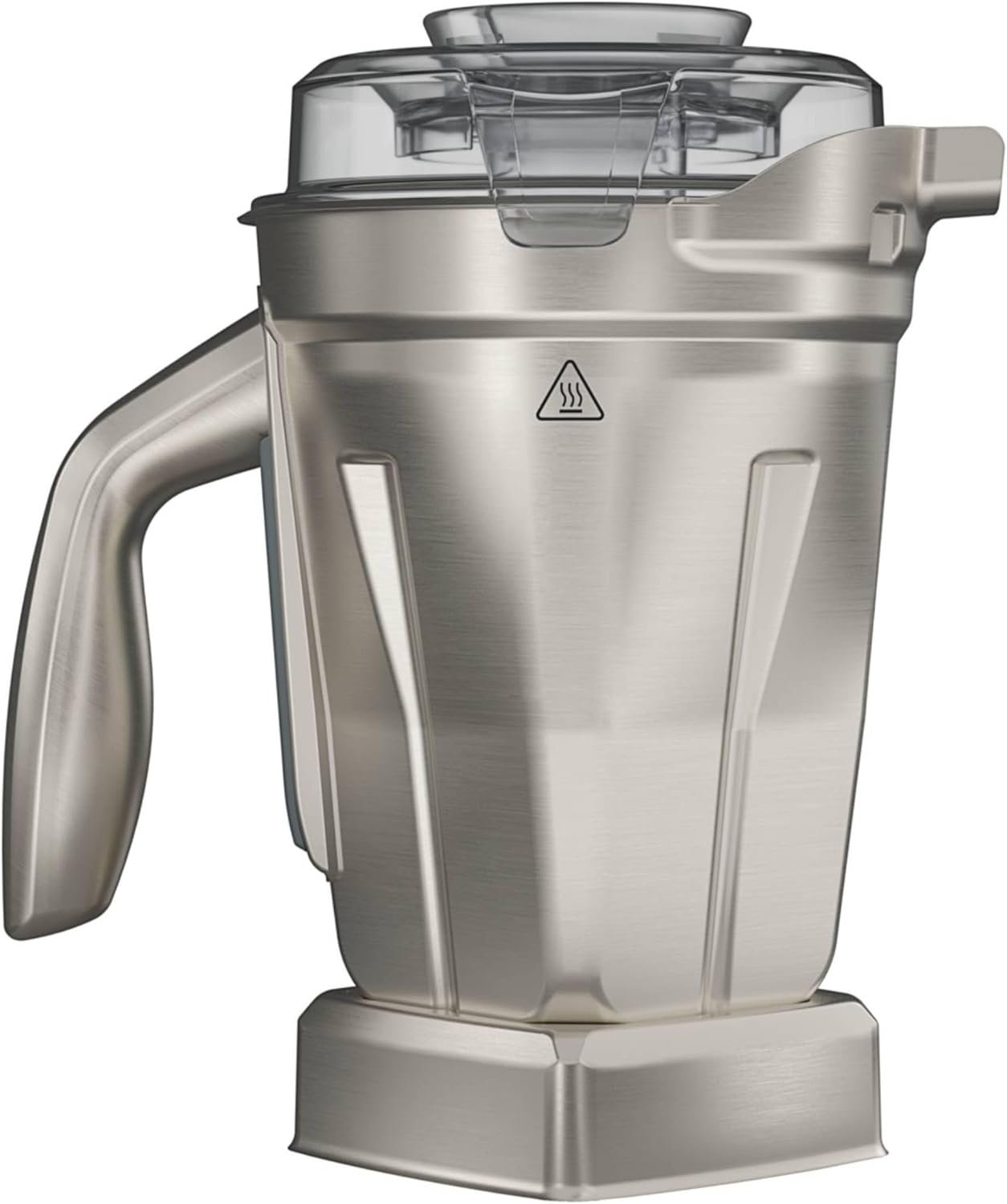
For anyone who already owns a full-size Vitamix blender, the container itself often becomes just as important a consideration as the base unit that powers it. The Vitamix 48-Ounce Stainless-Steel Blender Container with SELF-DETECT is designed as a replacement or supplementary container option, built from stainless steel rather than the more commonly seen clear plastic or Tritan containers. This article walks through what this particular container offers, how it might be used, and what to think about before adding one to your kitchen setup.
This piece is intended purely as an informational resource. It does not reflect personal use of the product, nor is it written as a promotional endorsement. Instead, it aims to explain the specifications and design choices in a way that helps you evaluate whether this container fits your particular blending needs.
This is a 48-ounce blending container designed to work with all full-size Vitamix blender bases, meaning it’s built as a compatible accessory or replacement part rather than a standalone appliance. Unlike Vitamix’s more familiar clear plastic containers, this one is made from stainless steel, giving it a notably different look, weight, and set of practical characteristics.
It comes with a BPA-free clear lid, laser-cut stainless-steel blades, and SELF-DETECT technology, which allows compatible Vitamix bases to automatically recognize the container and adjust blending programs accordingly. The container is also listed as dishwasher-safe, which is a relevant detail for anyone weighing convenience alongside the more traditional hand-washing routines associated with blender containers.
The most defining feature of this container is its stainless-steel body. Unlike clear plastic or Tritan containers, stainless steel is opaque, which means you can’t visually monitor the blending process the way you can with a see-through container. However, stainless steel offers a different set of trade-offs: it tends to be more resistant to staining and odor absorption from ingredients like turmeric, garlic, or strongly pigmented fruits and vegetables, which can sometimes discolor plastic containers over time.
Stainless steel is also generally more resistant to scratching from daily use and doesn’t carry the same concerns some consumers have about plastic degradation or leaching, especially when blending hot liquids.
SELF-DETECT is a feature found across several of Vitamix’s newer container options, and it’s included here as well. This technology allows compatible Vitamix bases to automatically identify which container is attached and adjust available blending programs accordingly. In practical terms, this means the blender base can differentiate between container types and sizes, which may help ensure blending programs are calibrated appropriately for the specific container being used.
It’s worth noting that SELF-DETECT functionality depends on compatibility with the specific Vitamix base being used, so checking compatibility with your particular model is a reasonable step before purchasing.
While the container body itself is stainless steel, the lid is a BPA-free clear plastic component. This allows for some visual monitoring during blending, even though the container walls themselves are opaque, and it also allows users to see ingredient levels when pouring or adding items through the lid opening, depending on the lid’s design.
The blades included with this container are laser-cut stainless steel, a manufacturing method that Vitamix has used across many of its container options. Laser cutting is generally associated with a more precise, consistent blade edge compared to some other cutting methods, which can play a role in how evenly ingredients are processed.
At 48 ounces, this container sits in a mid-range capacity for Vitamix containers, which are available in various sizes depending on household needs. This size is generally suited to preparing moderate batches — enough for a few servings of a smoothie or soup, for example, without necessarily being sized for very large batch preparation.
Unlike some blender containers that require hand-washing to preserve clarity or prevent scratching, this stainless-steel container is listed as dishwasher-safe, which may simplify cleanup for those who prefer not to hand-wash kitchen equipment after every use.
This container is designed to be compatible with all full-size Vitamix blender bases, meaning it’s intended to function as a modular accessory rather than being tied to one specific blender model. This kind of cross-compatibility is a common feature within the Vitamix ecosystem, where many parts and containers are designed to work across multiple base models.
A stainless-steel blending container like this one can serve a variety of purposes in the kitchen, particularly for those already familiar with using a Vitamix for regular food preparation.
Blending hot ingredients. Stainless steel is often chosen specifically for recipes involving hot liquids, such as soups blended directly after cooking, since it doesn’t carry some of the same heat-related concerns that can arise with certain plastics over repeated exposure to high temperatures.
Preparing strongly pigmented or aromatic ingredients. Because stainless steel resists staining more effectively than some plastic containers, it may be a useful option for recipes involving ingredients like beets, turmeric, or berries, which can sometimes leave lasting discoloration in clear containers over time.
Everyday smoothies and shakes. At 48 ounces, this container is a reasonable size for preparing smoothies, protein shakes, or similar blended beverages for one to a few people, depending on serving size.
Soups and sauces. The container’s compatibility with hot ingredients makes it a relevant option for blending cooked soups, sauces, or purees directly, which some users prefer over transferring hot liquids to a separate container before blending.
Nut butters and thicker mixtures. Depending on blade design and motor compatibility, stainless-steel containers are sometimes used for thicker blends like nut butters, though performance will vary depending on the specific Vitamix base being used and its power output.
Households with multiple blending needs. Because Vitamix containers are often interchangeable across bases, some households use different containers for different purposes — for example, keeping a stainless-steel container specifically for hot or strongly pigmented ingredients, while using a separate clear container for everyday smoothies where visual monitoring is preferred.
This type of container tends to appeal to a fairly specific subset of Vitamix users, largely based on personal preferences around material and maintenance.
Existing Vitamix owners looking to expand their container options. Since this is designed as an accessory for full-size Vitamix bases rather than a standalone blender, it’s most relevant to those who already own a compatible base and are looking to add or replace a container.
Those who frequently blend hot liquids. People who regularly prepare hot soups or sauces directly in their blender may find a stainless-steel option relevant, given the material’s general suitability for higher-temperature contents.
Users concerned about staining or odor retention. For anyone who has previously dealt with a plastic container that became discolored or retained smells from strong ingredients, a stainless-steel alternative may address those specific concerns.
People who prioritize dishwasher convenience. Since this container is listed as dishwasher-safe, it may appeal to those who prefer not to hand-wash their blending equipment.
Households using SELF-DETECT-compatible Vitamix bases. To take full advantage of the SELF-DETECT functionality, users need a compatible base model, so this feature is most relevant to those with newer or SELF-DETECT-enabled Vitamix machines.
On the other hand, this may be less relevant for those who specifically prefer being able to visually monitor blending progress through the container walls, since the opaque stainless-steel design doesn’t allow for that in the same way a clear container does.
Before purchasing a replacement or additional container, a few practical points are worth thinking through.
Compatibility with your specific Vitamix base. While this container is described as compatible with all full-size Vitamix blenders, it’s worth double-checking compatibility with your specific model, particularly if you’re relying on SELF-DETECT functionality, which depends on the base itself supporting that feature.
Lack of visual monitoring during blending. Since the container body is opaque stainless steel, you won’t be able to see the contents blending the way you would with a clear plastic or Tritan container. For recipes where visual consistency checks matter — like monitoring the texture of a smoothie or checking whether ingredients have fully incorporated — this is a meaningful difference from more commonly used clear containers.
Weight differences. Stainless steel is generally heavier than plastic, which may affect how the container feels when lifting, pouring, or handling, particularly when full.
Capacity considerations. At 48 ounces, this container may not be the right fit for those who regularly prepare very large batches, in which case a larger-capacity container might be more appropriate; conversely, those preparing smaller portions might find a smaller container more practical for everyday use.
Cost relative to standard containers. Specialty stainless-steel containers are often priced differently than standard plastic containers within the same product ecosystem, so it’s worth weighing the specific benefits — durability, staining resistance, heat suitability — against how often those benefits would actually come into play in your regular cooking routine.
Blade and lid care. Even with dishwasher-safe labeling, it’s generally a good idea to review manufacturer guidance on the best long-term care practices for blades and lid components, since small parts like gaskets or seals may benefit from more careful handling over time.
Rather than comparing this specific container to other individual products, it can be more helpful to look at the broader categories of blender containers available, to understand where a stainless-steel option like this one fits into the bigger picture.
Clear plastic or Tritan containers remain the most common option across most blender brands, largely because they allow for visual monitoring during blending and tend to be lighter in weight. These containers are often the standard choice for everyday use, though they can be more prone to staining or scratching over extended use, particularly with certain ingredients.
Glass containers are another category, valued for being free of plastic materials altogether and generally resistant to staining and odor retention. Glass, however, is heavier and more fragile than both plastic and stainless steel, making it a less common choice for larger-capacity blending containers due to weight and breakage concerns.
Stainless-steel containers, like the one covered in this article, offer a different set of trade-offs. They tend to be more durable against scratching and staining, are well-suited to hot contents, and often have a longer usable lifespan in terms of wear resistance. The primary trade-off is the loss of visual transparency during blending, along with typically being heavier than plastic alternatives.
Each of these material categories serves a different purpose depending on individual priorities — whether that’s minimizing weight, maximizing visibility, avoiding plastic, or prioritizing long-term durability against staining and heat exposure.
Is this container compatible with all Vitamix blenders? It’s designed to be compatible with full-size Vitamix blender bases, though it’s a good idea to verify compatibility with your specific model, especially regarding SELF-DETECT functionality, before making a purchase.
What does SELF-DETECT actually do? SELF-DETECT allows certain Vitamix bases to automatically recognize which container is attached and adjust available blending programs accordingly. This feature depends on both the container and the base supporting SELF-DETECT technology.
Can this container be used for hot liquids? Stainless steel is generally considered well-suited to hot contents compared to some plastic materials, making this container a relevant option for recipes like blended soups prepared directly after cooking. As always, it’s worth reviewing manufacturer guidance on maximum recommended temperatures.
Is the container dishwasher-safe? Yes, this container is listed as dishwasher-safe, which may simplify cleanup compared to containers that require hand-washing.
Why choose a stainless-steel container over a clear one? Stainless steel tends to resist staining and odor absorption more effectively than some plastic materials, and it’s often considered more durable against scratching over time. The primary trade-off is that you lose the ability to visually monitor blending progress through the container walls.
Does the opaque design make blending harder to manage? Not necessarily, since the clear lid still allows some visibility, and many users rely on consistent blending times or pre-set programs rather than constant visual monitoring. That said, those who prefer to visually check blending consistency may find the opaque body a meaningful adjustment.
What size batches is this container suited for? At 48 ounces, it’s generally suited to small to moderate batch sizes, such as a few servings of a smoothie or soup, rather than very large batch preparation.
The Vitamix 48-Ounce Stainless-Steel Blender Container with SELF-DETECT offers a distinct alternative to the clear plastic containers most commonly associated with Vitamix blenders. Its stainless-steel construction brings particular advantages around staining resistance, durability, and suitability for hot contents, while the SELF-DETECT technology and dishwasher-safe design add practical conveniences for those with compatible Vitamix bases.
As with most blending accessories, whether this container is the right choice comes down to individual priorities — how often you blend hot ingredients, whether visual monitoring during blending matters to you, and how you weigh the trade-offs between weight, durability, and material preferences. Reviewing the specific compatibility details for your Vitamix base, along with manufacturer care guidance, can help clarify whether this particular container is a good match for your kitchen routine.